The MIND Diet Was Linked to 2.5 Years Slower Brain Aging Over a Decade, MRI Study Finds
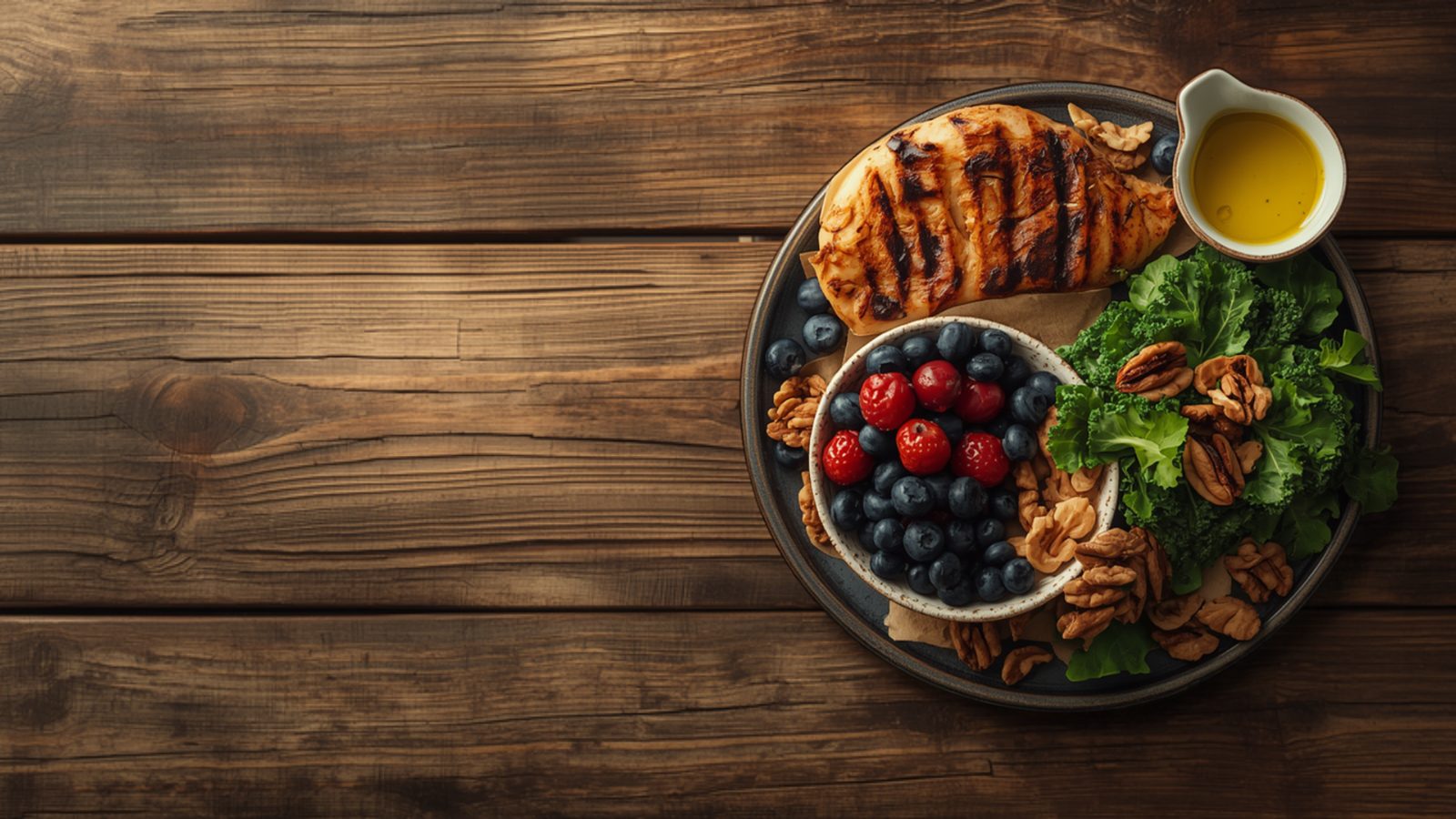
Most of the conversation about eating for your brain happens at the scale of single ingredients: a nootropic here, a fish-oil capsule there. A new analysis from one of the longest-running health studies in the world takes a wider view. It asked whether the overall pattern of what people ate in middle age showed up, years later, in the physical structure of their brains. For people who ate closer to the MIND diet, it did. The changes are modest but measurable.
What the Researchers Measured
The team, led by researchers including Changzheng Yuan and Debora Melo van Lent, drew on the Framingham Heart Study Offspring cohort, the second generation of the famous Massachusetts heart study. They included 1,647 adults, about 60 years old on average when they started, who had filled out detailed food questionnaires between 1991 and 2001 and then had repeated brain MRI scans between 1999 and 2019. The average follow-up was about 12 years. The results appear in the Journal of Neurology, Neurosurgery & Psychiatry.
Each person's eating was scored against MIND, short for the Mediterranean-DASH Intervention for Neurodegenerative Delay. The score runs from 0 to 15 across fifteen food groups: ten to eat more of (leafy greens, other vegetables, berries, nuts, whole grains, fish, beans, poultry, olive oil and moderate wine) and five to keep down (butter and margarine, cheese, red meat, pastries and sweets, and fried or fast food). The average participant scored just under 7, so there was plenty of room between the best and worst eaters.
Rather than testing memory directly, the study tracked brain structure over time: total grey matter, the hippocampus (a memory hub that tends to shrink early in decline), and the fluid-filled ventricles, which slowly widen as surrounding tissue is lost. Watching how fast these change is one of the more objective ways to estimate how quickly a brain is aging.
What They Found
Higher MIND scores went with slower structural decline. For every 3 points higher on the scale, grey matter shrank about 0.28 cm³ per year more slowly. The authors translate that into roughly 20% less decline, or about two and a half years of delayed brain aging. The same 3-point gap was linked to about 8% slower ventricle enlargement, worth around a year.
Three points is a realistic change, not a total diet overhaul. Swapping pastries for berries most days, replacing a couple of fast-food meals a week with chicken or fish, and adding a daily serving of greens would cover it for many people.
At the level of individual foods, the picture had some surprises:
- Berries were linked to slower ventricle enlargement, and poultry to slower ventricle enlargement and slower grey matter loss.
- Sweets were tied to faster ventricle widening and more hippocampal shrinkage, and fried fast food to greater hippocampal loss.
- Two findings ran against the diet's rules. More whole grains went with faster decline on several measures, and more cheese went with slower grey matter and hippocampal loss.
The researchers' proposed explanations follow established lines: antioxidant-rich foods such as berries may ease oxidative stress on brain tissue, while fried, highly processed foods may add to inflammation and blood-vessel damage. Those are plausible mechanisms, but this study didn't test them. The odd whole-grain and cheese results are a good reminder that single-food associations in questionnaire data are noisy. The overall pattern held up better than any one food did.
What This Study Can't Tell You
This is an observational study, so it shows that two things moved together, not that one caused the other. People who eat more berries and less fast food also tend to exercise more, smoke less, and have higher incomes, and statistical adjustment never fully removes that. The authors also list some specific limits. Diet was reported by questionnaire, which relies on memory. It was measured years before most of the scans and wasn't re-checked as habits changed. Early cognitive impairment at the start couldn't be fully ruled out. Genetic risk wasn't controlled. And the Framingham cohort is mostly white, so the results may not apply equally to other groups.
It is also a structural finding, not a performance one. Slower grey matter loss is a reasonable marker of brain health, but the paper doesn't show that MIND eaters focused or remembered better day to day. Still, it fits a growing body of work. The recent LatAm-FINGERS trial, which we covered in our post on coached lifestyle programs, used an adapted MIND diet as one part of a package that did improve cognition in a randomized test.
Putting It Into Practice
If you're working on your focus and long-term brain health, the takeaway isn't to buy a "MIND" supplement. It's to change a few defaults. Keep berries in the freezer for breakfast, make leafy greens a daily habit, and choose poultry or fish over fried and fast food most days. Treat sweets as an occasional food. Fish ties in neatly with what we covered in omega-3s and brain performance. Diet works slowly, over years, so it pairs well with habits that pay off now. A steady routine of focused work blocks in our Focus Timer and decent sleep will do more for this week's output, while your plate works on the next decade.
- Diet pattern tracked with brain structure. In 1,647 Framingham adults followed for about 12 years, closer MIND adherence was linked to slower grey matter loss and ventricle enlargement.
- A small shift counted. Each 3-point gain on the 15-point MIND score was linked to about 20% slower grey matter decline, roughly 2.5 years of delayed brain aging.
- Berries and poultry looked helpful, sweets and fried food harmful. The hippocampus, a key memory region, shrank faster with more sweets and fast food.
- Some single-food results were odd. Whole grains looked worse and cheese looked better than the diet predicts, so judge the overall pattern, not individual items.
- It's an association, not proof. Self-reported diet, a mostly white cohort, and possible lifestyle confounding mean this supports the MIND approach without proving it causes slower aging.
No diet can stop the brain from aging. But this is one of the longer looks yet at how midlife eating relates to the brain's physical structure, and its results point the same way as earlier work: more plants, berries and lean protein, and fewer sweets and fried food.
Frequently Asked Questions
What is the MIND diet?
MIND blends the Mediterranean and DASH diets with a focus on brain health. It scores 15 food groups: ten to eat more of (green leafy vegetables, other vegetables, berries, nuts, whole grains, fish, beans, poultry, olive oil and moderate wine) and five to limit (butter and margarine, cheese, red meat, pastries and sweets, and fried or fast food).
Does the MIND diet actually slow brain aging?
This study found an association, not proof. Among 1,647 Framingham participants followed for about 12 years, each 3-point increase in MIND score was linked to roughly 20% slower grey matter loss, which the authors equate to about 2.5 years of delayed brain aging. Because it was observational, other lifestyle differences could explain part of the result.
Which foods mattered most in the study?
Berries and poultry were linked to healthier brain-structure changes, while sweets and fried fast food were linked to faster shrinkage, including in the hippocampus. Two results ran against the diet's rules: higher whole-grain intake was linked to faster decline and higher cheese intake to slower decline, so single-food findings should be read cautiously.
Health disclaimer: This article summarizes published research and is for educational purposes only. It is not medical advice. If you have a medical condition, take medication, or are concerned about memory or cognitive changes, talk with a qualified healthcare professional before making significant dietary changes.

FocusWaveHub Editorial Team
Editorial & Research Team
The FocusWaveHub editorial team synthesizes peer-reviewed research on cognitive performance, attention science, and evidence-based productivity. About our editorial approach →